Mishika Sarees – Direct from Weavers | 📞 9740071047 | 🚚 Free Delivery Across India | 🎁 Use Code: FTP5 & Get 5% OFF
Banarasi Saree vs Tussar Silk Saree: Understanding the Difference
4/3/20262 min read
Banarasi Saree vs Tussar Silk Saree: Understanding the Difference
When it comes to traditional Indian sarees, both Banarasi and Tussar silk sarees hold a special place in every woman’s wardrobe. While they both reflect elegance and heritage, they differ significantly in fabric, texture, appearance, and usage. If you’re confused about which one to choose, this guide will help you understand the key differences.
1. Origin & Heritage
Banarasi Sarees
Originating from Varanasi, Banarasi sarees are known for their royal history and Mughal-inspired designs. They are a symbol of luxury and are often associated with weddings and grand occasions.
Tussar Silk Sarees
Tussar silk, also known as “wild silk,” is primarily produced in states like Jharkhand, Bihar, and Chhattisgarh. These sarees have a more earthy and natural appeal, reflecting simplicity and elegance.
2. Fabric & Texture
Banarasi Silk
Made from fine, smooth silk
Soft, glossy, and rich in texture
Heavy and luxurious feel
Tussar Silk
Made from natural silk fibers
Slightly coarse and textured
Lightweight and breathable
3. Design & Weaving Style
Banarasi Sarees
Known for intricate zari work (gold/silver threads)
Features floral motifs, paisleys, and Mughal patterns
Rich, detailed weaving
Tussar Silk Sarees
Minimalistic and artistic designs
Often feature hand-painted or block prints
Focus on natural patterns and subtle elegance
4. Appearance & Finish
Banarasi
Shiny, polished, and grand look
Ideal for festive and bridal wear
Tussar Silk
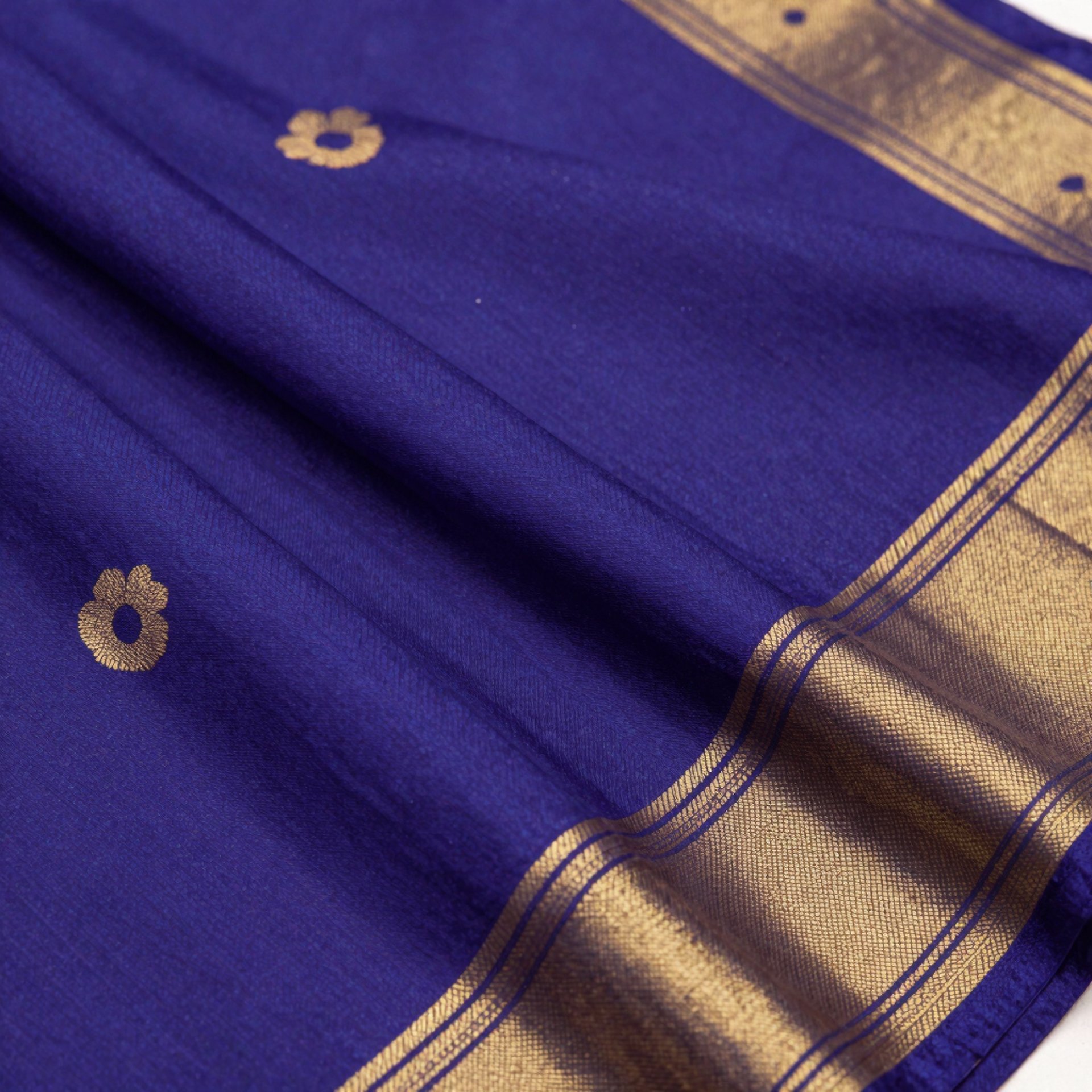
Matte finish with a raw, organic look
Perfect for casual, office, and day events
5. Occasion & Styling
Banarasi Saree
Weddings and bridal wear
Festive occasions like Diwali or receptions
Best paired with heavy jewelry
Tussar Silk Saree
Office wear and formal events
Daytime functions
Looks great with minimal or oxidized jewelry
6. Price & Affordability
Banarasi Sarees: Generally more expensive due to detailed craftsmanship and zari work
Tussar Silk Sarees: More affordable and versatile for everyday elegance
7. Maintenance & Care
Banarasi Silk
Requires dry cleaning
Needs careful storage due to zari work
Tussar Silk
Easier to maintain
Can sometimes be gently hand-washed (depending on design)
Which One Should You Choose?
Choose Banarasi Saree if you want a rich, luxurious look for weddings and grand occasions
Choose Tussar Silk Saree if you prefer comfort, simplicity, and elegance for daily or formal wear
Conclusion
Both Banarasi and Tussar silk sarees are beautiful in their own way. While Banarasi sarees represent grandeur and tradition, Tussar silk sarees reflect understated elegance and natural beauty. Your choice ultimately depends on the occasion, style preference, and comfort.
Mishika Sarees
Designed for timeless elegance. Crafted with tradition
Contact
Newsletter
contact@mishikasarees.com
+91 9740071047
© 2026 Mishika Sarees. All rights reserved
GSTIN - 09BNKPS1116B1Z8