Mishika Sarees – Direct from Weavers | 📞 9740071047 | 🚚 Free Delivery Across India | 🎁 Use Code: FTP5 & Get 5% OFF
Kanjivaram vs Banarasi Saree – Luxury Silk Buying Guide for Weddings & Festive Wear
Confused between Kanjivaram and Banarasi sarees? Explore key differences in fabric, design, comfort & occasions to choose your perfect silk saree.
Mishika Sarees
4/23/20262 min read
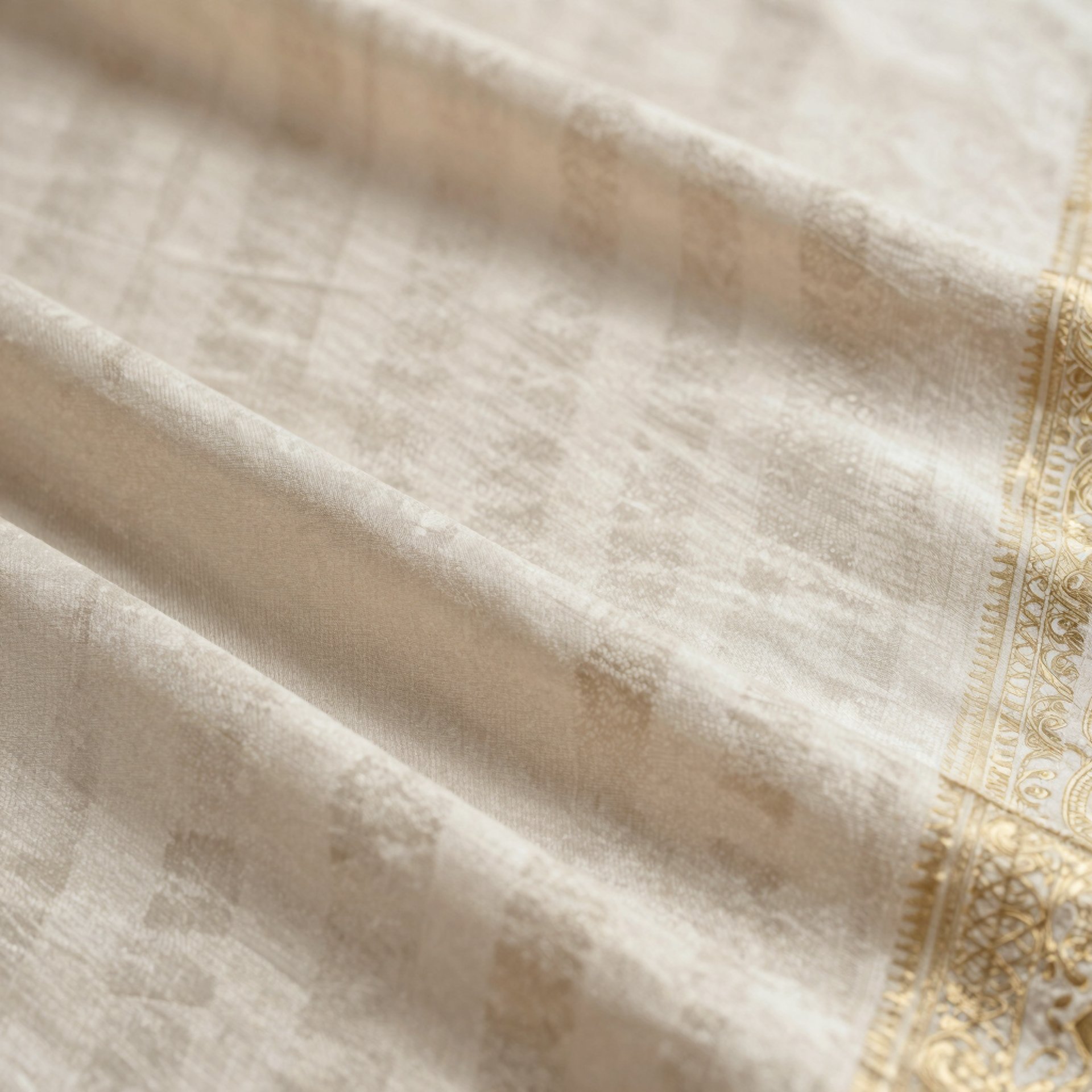
When it comes to luxury sarees, two names define timeless elegance — Kanjivaram and Banarasi. Both are deeply rooted in Indian heritage, crafted with exceptional artistry, and designed to make you stand out.
But if you’re investing in one, the real question is:
Which saree truly matches your style, occasion, and comfort?
Let’s break it down.
A Legacy Woven in Tradition
The Kanjivaram saree originates from Kanchipuram, often called the “Silk City of India.” Known for its temple-inspired designs, it reflects South India’s rich cultural roots and is a staple in bridal trousseaus.
The Banarasi saree, from Varanasi, carries the influence of Mughal artistry. Its delicate patterns and intricate weaving have made it a symbol of royal elegance for centuries.
Fabric That Defines the Experience
Kanjivaram sarees are woven using thick mulberry silk, giving them a structured, luxurious feel. The fabric is strong, slightly stiff, and holds its shape beautifully—perfect for a grand, regal drape.
Banarasi sarees, on the other hand, use finer silk, resulting in a softer, more fluid drape. They feel lighter on the body and are easier to carry for long hours.
👉 In simple terms:
Kanjivaram = Structured & Grand
Banarasi = Soft & Flowing
Design Language: Bold vs Intricate
Kanjivaram sarees are known for:
Bold contrast borders
Temple motifs & traditional patterns
Heavy, eye-catching zari work
Banarasi sarees stand out for:
Floral and paisley motifs
Detailed jaal (all-over patterns)
Subtle, intricate zari weaving
👉 Visual vibe:
Kanjivaram = Royal & Statement-Making
Banarasi = Elegant & Detailed
Comfort & Wearability
This is where many buyers make their decision:
Kanjivaram sarees are heavier, making them ideal for weddings and shorter-duration grand events.
Banarasi sarees are lighter and more breathable—perfect for receptions, festivals, or all-day wear.
Occasion Guide
Choose Kanjivaram if:
You’re a bride or attending a traditional wedding
You want a bold, luxurious look
You love rich, heritage styling
Choose Banarasi if:
You want versatility (weddings + parties + festive wear)
You prefer comfort with elegance
You like subtle luxury over heavy designs
Price & Value
Kanjivaram sarees are typically premium investments due to their heavy silk and zari. They are long-lasting and often passed down as heirlooms.
Banarasi sarees offer flexibility in pricing, from affordable elegance to high-end luxury, making them accessible for a wider audience.
So, Which One Wins?
Honestly—neither is better. It depends on your purpose.
Go for Kanjivaram when you want royalty and tradition 👑
Go for Banarasi when you want grace and versatility ✨
Final Word
A saree isn’t just an outfit—it’s an emotion, a memory, and a statement of who you are.
Mishika Sarees
Designed for timeless elegance. Crafted with tradition
Contact
Newsletter
contact@mishikasarees.com
+91 9740071047
© 2026 Mishika Sarees. All rights reserved
GSTIN - 09BNKPS1116B1Z8