Mishika Sarees – Direct from Weavers | 📞 9740071047 | 🚚 Free Delivery Across India | 🎁 Use Code: FTP5 & Get 5% OFF
The Art of Weaving: Understanding the Beauty Behind Banarasi Sarees
India’s textile heritage is one of the richest in the world, and at the heart of this legacy lies the timeless beauty of woven sarees. A saree is not just a garment — it is a reflection of culture, craftsmanship, and centuries of artistry passed down through generations. Among all Indian textiles, Banarasi sarees hold a special place for their luxurious weaving techniques, intricate zari work, and royal elegance. Every weave tells a story, and understanding these weaving styles helps us truly appreciate the artistry behind each saree.
Mishika Sarees
5/7/20262 min read
What is a Weaving Technique?
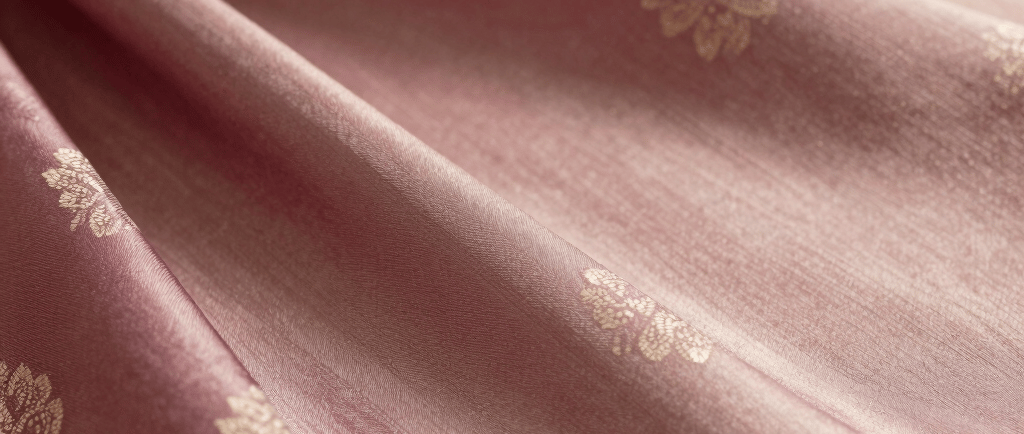
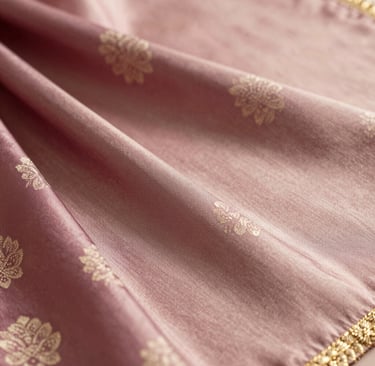
A weaving technique refers to the method used to interlace threads to create fabric and patterns. Different weaving styles produce different textures, motifs, richness, and overall appearance of the saree.
In Banarasi weaving, artisans use silk threads, zari, and detailed craftsmanship to create stunning masterpieces that can take days or even weeks to complete.
Popular Weaving Techniques in Banarasi Sarees
1. Kadwa Weaving – The Mark of Luxury
Kadwa weaving is considered one of the most premium and intricate Banarasi weaving techniques.
In this method, each motif is woven separately instead of using continuous threads across the fabric. This creates highly detailed patterns with a clean finish and no loose threads at the back.
Why Kadwa Weaving is Special:
Rich and durable motifs
Fine craftsmanship
Luxurious appearance
Time-intensive handmade process
Kadwa woven sarees are often treasured as heirloom pieces because of their exclusivity and elegance.
2. Meenakari Weaving – Adding Colors to Tradition
Meenakari weaving adds colorful threadwork within zari motifs, creating vibrant floral and artistic detailing.
This technique enhances the beauty of traditional Banarasi designs by introducing subtle pops of color into the weaving itself.
Features of Meenakari Work:
Multicolor woven detailing
Artistic floral motifs
Rich festive appearance
Elegant contrast effects
Meenakari sarees are especially loved for weddings, festive occasions, and grand celebrations.
3. Jamdani Weaving – Delicate Handwoven Art
Jamdani is one of the finest handweaving traditions known for delicate motifs woven directly into the fabric.
The motifs appear to float gracefully on the saree surface, showcasing incredible artisan precision.
Highlights:
Lightweight elegance
Intricate woven motifs
Soft and graceful drape
Traditional artistic appeal
4. Tanchoi Weaving – Rich Textured Beauty
Tanchoi weaving creates dense and intricate patterns using multiple colored threads without heavy zari usage.
These sarees are admired for their luxurious texture and refined artistic detailing.
Why Women Love Tanchoi Sarees:
Soft finish
Rich woven texture
Elegant all-over designs
Comfortable luxury wear
5. Tissue Weaving – The Royal Glow
Tissue weaving combines silk and zari threads to create a fabric with a beautiful metallic sheen.
The result is a saree that looks luminous, regal, and festive.
Best Known For:
Shiny elegant finish
Lightweight glamour
Perfect festive look
Royal appearance
6. Kora Weaving – Lightweight Grace
Kora silk weaving creates a light, airy, and slightly crisp texture that adds sophistication to Banarasi sarees.
These sarees are perfect for women who prefer elegant yet comfortable traditional wear.
Handloom vs Powerloom Weaving
Today, Banarasi sarees are made using both handloom and powerloom techniques.
Handloom Sarees:
Woven manually by artisans
Unique craftsmanship
Rich texture and detailing
Time-consuming process
Powerloom Sarees:
Machine woven
Faster production
More affordable pricing
Consistent patterns
Both have their own market and audience, depending on preference, craftsmanship, and budget.
Why Weaving Matters in a Saree
The weaving technique defines:
The richness of the fabric
Durability of motifs
Overall elegance
Texture and drape
Exclusivity of the design
A beautifully woven saree is not just fashion — it is wearable art.
Preserving India’s Textile Heritage
Behind every Banarasi saree are skilled artisans whose craftsmanship keeps centuries-old traditions alive.
Supporting woven sarees means supporting:
✨ Indian artisans
✨ Traditional craftsmanship
✨ Handloom heritage
✨ Timeless fashion
In a world of fast fashion, authentic weaving continues to represent luxury, culture, and artistry.
Discover Timeless Weaves with Mishika Sarees 💖
At Mishika Sarees, we celebrate the beauty of traditional Indian weaving by curating elegant Banarasi and silk sarees crafted with artistry and heritage.
Whether it’s intricate Meenakari work, luxurious Kadwa weaving, or graceful Kora silk textures — every saree reflects timeless craftsmanship designed for modern women who appreciate tradition.
Mishika Sarees
Designed for timeless elegance. Crafted with tradition
Contact
Newsletter
contact@mishikasarees.com
+91 9740071047
© 2026 Mishika Sarees. All rights reserved
GSTIN - 09BNKPS1116B1Z8